SDSG
PROTECTION
Safely Insured, Securely Protected.
About
Why Fire Protection
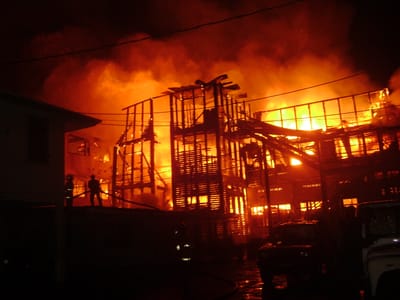
- Compliance with Regulations: South Africa has regulations that require companies to have fire protection systems installed in their premises. The Occupational Health and Safety Act (OHSA) and the National Building Regulations (NBR) require all buildings to have appropriate fire safety measures in place.
- Protecting Assets: Fire can cause extensive damage to a company's assets, including buildings, equipment, and inventory. Having a fire protection system can prevent or minimize such damage, thus saving the company from significant financial losses.
- Protecting Employees: A fire in the workplace can endanger the lives of employees. A fire detection system can alert employees of the danger and help them evacuate the premises safely.
- Protecting Customers and Visitors: In addition to protecting employees, fire protection and detection systems can also help protect customers and visitors who may be on the company's premises. This is particularly important for companies that receive a lot of foot traffic, such as shopping malls or hotels.
- Ensuring Business Continuity: If a fire occurs in a company's premises, it can disrupt operations and lead to significant downtime. Having a fire protection system in place can help minimize the damage and ensure that the company can resume normal operations as quickly as possible.
Services
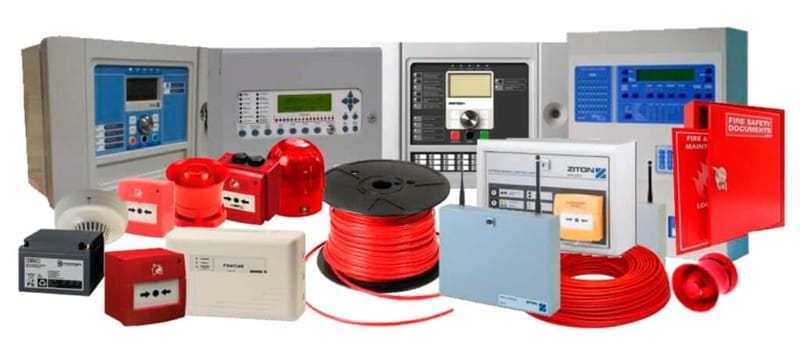
SMOKE DETECTION
Smoke detection is a system used to detect the presence of smoke, which is an indicator of fire. It typically uses sensors to detect smoke particles and trigger an alarm, alerting building occupants and activating fire suppression systems. Smoke detection systems can be stand-alone units or integrated into a building's fire alarm system. They play an important role in fire safety by detecting fires early, allowing for prompt evacuation and minimizing property damage and loss of life.
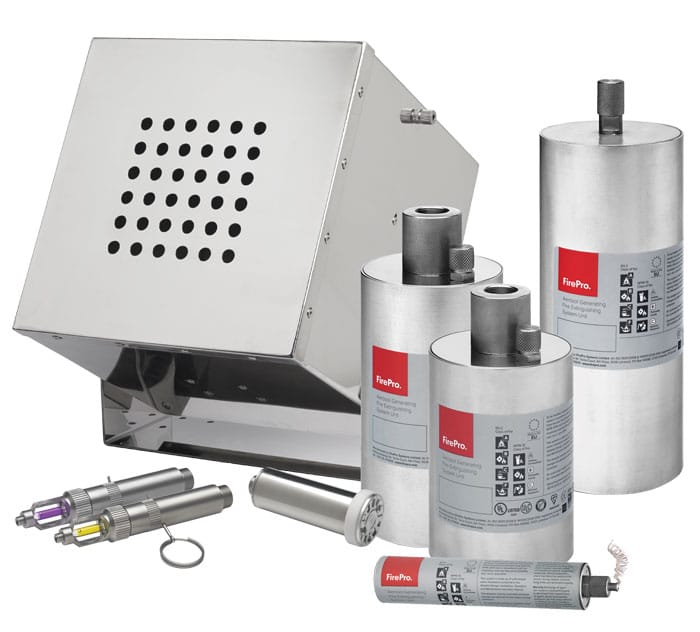
Fire supression
Fire suppression refers to the use of specialized equipment and techniques to extinguish fires and prevent their spread. Fire suppression systems, use a combination of water, foam, and other fire-extinguishing agents to put out fires and keep them from spreading. Fire suppression systems are critical in reducing the risk of damage and loss in buildings and other structures, and they help ensure the safety of occupants and property.
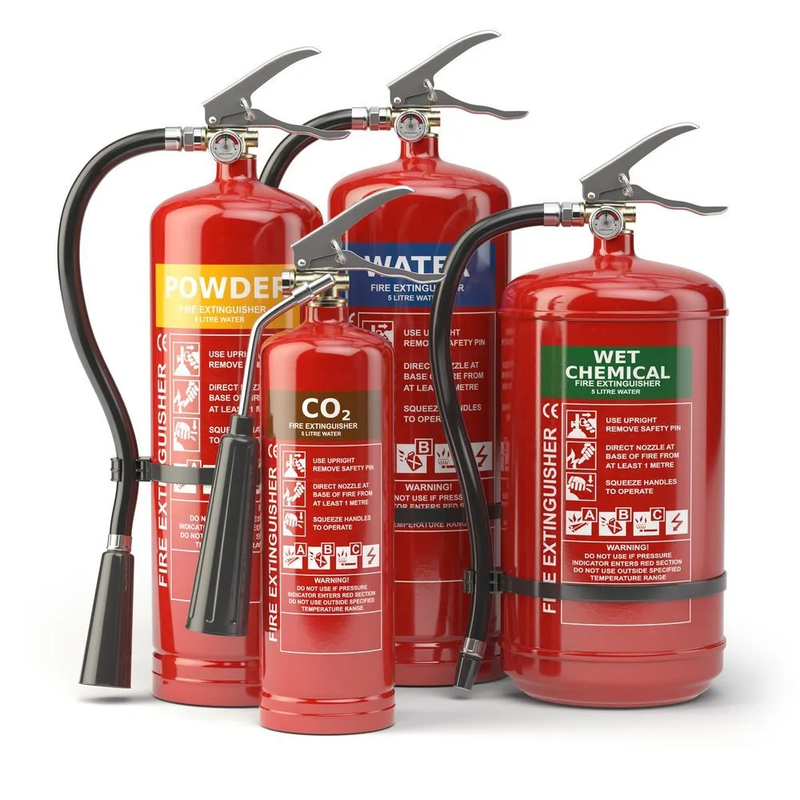
Portable Fire Equipment
Portable fire equipment refers to handheld or portable devices that can be used to extinguish fires or control their spread. Examples include fire extinguishers, fire blankets, and fire suppression cans. These devices are typically small and lightweight, making them easy to carry and use in emergency situations. They are an essential component of fire safety and are often used in conjunction with fixed fire suppression systems to provide added protection against fire in homes, workplaces, and public spaces.
Contact
- Johannesburg, Gauteng, South Africa
